
Chapters 11
-
1 The Village Blacksmith - Read by ALNL 2:04
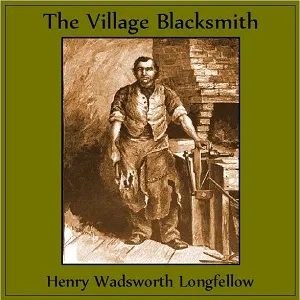
Under a spreading chestnut tree, the village smithy stands. The smith, a mighty man is he, with large and sinewy hands, and the muscles of his brawny arm are strong as iron bands. His hair is crisp and black and long, his face is like the tan. His brow is wet with honest sweat, he earns what'er he can. And looks the whole world in the face, for he owes not any man. Week in, week out, from morn till night, you can hear his bellows blow. You can hear him swing his heavy sledge with measured beat and slow, like a sexton ringing the village bell when the evening sun is low. And children coming home from school look in at the open door. They love to see the flaming forge and hear the bellows roar.
And catch the burning sparks that fly like chaff from a threshing floor. He goes on Sunday to the church, and sits among his boys. He hears the parson pray and preach. He hears his daughter's voice. Singing in the village choir, and it makes his heart rejoice. It sounds to him like her mother's voice, singing in paradise. He needs must think of her once more, how in the grave she lies. And with his hard, rough hand he wipes a tear out of his eyes. Toiling, rejoicing, sorrowing, onward through life he goes. Each morning sees some task begin, each evening sees it close. Something attempted, something done, has earned a night's repose. Thanks, thanks to thee, my worthy friend, for the lessons thou hast taught.
Thus at the flaming forge of life our fortunes must be wrought. Thus in its sounding anvil shaped each burning deed and thought.
-
2 The Village Blacksmith - Ready by CZ 2:56
The smith, a mighty man is he, with large and sinewy hands, and the muscles of his browny arm are strong as iron bands. His hair is crisp and black and long, his face is like the tan. His brow is wet with honest sweat, he earns whate'er he can, and looks the whole world in the face, for he owes not any man. Week in, week out, from more till night, you can hear his bellows blow, you can hear him swing his heavy sledge, With measure beat and slow. Like a sexton ring the village bell when the evening sun is low. And children coming home from school look in at the open door. They love to see the flaming forge and hear the bellows roar, and catch the burning sparks that fly like chaff from a threshing floor.
He goes on Sunday to the church and sits among his boys. He hears a parson pray and preach. He hears his daughter's voice singing in the village choir, and it makes his heart rejoice. It sounds to him like her mother's voice singing in paradise. He needs must think of her once more. How in the grave she lies, and with his hard, rough hand he wipes a tear out of his eyes. Toiling, rejoicing, sorrowing, onward through life he goes. Each morning sees some task began, each evening sees it close. Something attempted, something done. has earned a night's repose. Thanks, thanks to thee, my worthy friend, for the lesson thou hast taught. Thus at the flaming forge of life our fortunes must be wrought, thus on its sounding anvil shaped each burning deed and thought.
-
3 The Village Blacksmith - Read by DRB 2:31
The smith, a mighty man is he, With large and sinewy hands, And the muscles of his brawny arm Are strong as iron bands. His hair is crisp and black and long, His face is like the tan. His brow is wet with honest sweat. He earns whate'er he can, and looks the whole world in the face, for he owes not any man. Week in, week out, from morn till night, you can hear his bellows blow. You can hear him swing his heavy sledge with measured beat and slow, like a sexton ringing the village bell. When the evening sun is low. The children coming home from school look in at the open door. They love to see the flaming forge and hear the bellows roar, and catch the burning sparks that fly like chaff from a threshing floor.
He goes on Sunday to the church and sits among his boys. He hears the parson pray and preach. He hears his daughter's voice. Singing in the village choir, and it makes his heart rejoice. It sounds to him like her mother's voice, singing in paradise. He needs must think of her once more, how in the grave she lies, and with his hard, rough hand he wipes a tear out of his eyes. Toiling. Rejoicing, sorrowing, onward through life he goes. Each morning sees some task begin, each evening sees its close. Something attempted, something done, has earned a night's repose. Thanks, thanks to thee, my worthy friend, for the lesson thou hast taught. Thus at the flaming forge of life our fortunes must be wrought.
Thus on its sounding anvil shaped each burning deed and thought.
-
4 The Village Blacksmith - Read by EZWA 2:08
The smith, a mighty man is he, with large and sinewy hands, and the muscles of his brawny arm are strong as iron bands. His hair is crisp and black and long, his face is like the tan, His brow is wet with honest sweat. He earns what Terry can, and looks the whole world in the face, for he owes not any man. Week in, week out, from morn till night, you can hear his bellows blow. You can hear him swing his heaviest ledge with measured beat and slow, like a sexton ringing the village bell when the evening sun is low. And children coming home from school look in at the open door, They love to see the flaming forge, and hear the bellows roar, and catch the burning sparks that fly like chaff from a threshing floor.
He goes on Sunday to the church, and sits among his boys. He hears the parson pray and preach. He hears his daughter's voice, singing in the village choir, and it makes his heart rejoice. It sounds to him like her mother's voice, singing in paradise. He needs must think of her once more, how in the grave she lies, and with his hard, rough hand he wipes a tear out of his eyes. Toiling, rejoicing, sorrowing, onward through life he goes. Each morning sees some task begin, each evening sees it closed. Something attempted, something done, has earned a night's repose. Thanks, thanks to thee, my worthy friend, for the lesson thou hast taught, Thus at the flaming forge of life our fortunes must be wrought, Thus on its sounding anvil shaped each burning deed and thought.
-
5 The Village Blacksmith - Read by GMH 2:11
The Village Blacksmith by Henry Wadsworth Longfellow Under a spreading chestnut-tree, the village smithy stands. The smith, a mighty man is he, with large and sinewy hands, and the muscles of his brawny arm are as strong as iron bands. His hair is crisp and black and long. His face is like the tan. His brow is wet with honest sweat. He earns whate'er he can, and looks the whole world in the face, for he owes not any man. Week in, week out, from morn to night, you can hear his bellows blow. You can hear him swing his heavy sledge with measured beat and slow, like a sexton ringing the village bell when the evening sun is low. And children coming home from school looking at the open door, they love to see the flaming forge and hear the bellows roar.
and catch the burning sparks that fly like chaff from a threshing-floor. He goes on Sunday to the church, and sits among his boys. He hears the parson pray and preach, and hears his daughter's voice, singing in the village choir, and it makes his heart rejoice. It sounds to him like her mother's voice, singing in paradise. He needs must think of her once more, how in the grave she lies. With his hard, rough hand he wipes. A tear out of his eyes. Toiling, rejoicing, sorrowing, onward through life he goes. Each morning sees some task begin. Each evening sees it close. Something attempted, something done, has earned a night's repose. Thanks, thanks to thee, my worthy friend, for the lesson thou hast taught.
Thus at the flaming forge of life our fortunes must be wrought. Thus on its sounding anvil shaped each burning deed and thought.
-
6 The Village Blacksmith - Read by KLH 2:29
The smith, a mighty man is he, with large and sinewy hands, and the muscles of his brawny arms are strong as iron bands. His hair is crisp and black and long, His face is like the tan. His brow is wet with honest sweat. He earns whate'er he can, and looks the whole world in the face, for he owes not any man. Week in, week out, from morn till night you can hear his bellows blow. You can hear him swing his heavy sledge with measured beat and slow, like a sexton ringing the village bell when the evening sun is low. And children coming home from school look in at the open door. They love to see the flaming forge and hear the bellows roar, and watch the burning sparks that fly, like chaff from a threshing-floor.
He goes on Sunday to the church and sits among his boys. He hears the parson pray and preach. He hears his daughter's voice singing in the village choir, and it makes his heart rejoice. It sounds to him like her mother's voice, singing in paradise. He needs must think of her once more, how in the grave she lies. And with his hard, rough hand he wipes a tear out of his eyes.
Toiling, rejoicing, sorrowing, onward through life he goes. Each morning sees some task begin, each evening sees it close. Something attempted, something done, Has earned a night's repose. Thanks, thanks to thee, my worthy friend, For the lesson thou hast taught. Thus at the flaming forge of life Our fortunes must be wrought, Thus on its sounding anvil shaped Each burning deed and thought.
-
7 The Village Blacksmith - Read by MEG 2:15
The smith a mighty man is he, with large and sinewy hands, and the muscles of his brawny arm are strong as iron bands. His hair is crisp and black and long, his face is like the tan. His brow is wet with honest sweat, he earns whate'er he can, and looks the whole world in the face, for he owes not any man. Week in, week out, from morn till night, you can hear his bellows blow, you can hear him swing his heavy sledge with measured beat and slow, like a sexton ringing the village bell when the evening sun is low. And children, come home from school, look in the open door. They love to see the flaming forage, and hear the bellows roar, and catch the burning sparks that fly like chaff from a threshing-floor.
He goes on Sunday to the church, and sits among his boys. He hears the parson pray and preach. He hears his daughter's voice, singing in the village choir, and it makes his heart rejoice. It sounds to him like her mother's voice, singing in paradise. He needs must think of her once more, how in the grave she lies, and with his hard, rough hand he wipes a tear out of his eyes. Toiling, rejoicing, sorrowing, onward through life he goes. Each morning sees some tasks begin, each evening sees it close. Something attempted, something done, has earned a night's repose. Thanks, thanks to thee, my worthy friend, for lessons thou hast taught. Thus at the flaming forge of life our fortunes must be wrought, thus on its sounding anvil shaped each burning deed and thought.
-
8 The Village Blacksmith - Read by MFS 2:21
The Village Blacksmith by Henry Wadsworth Longfellow Under a spreading chestnut-tree the village smithy stands, the smith a mighty man is he, with large and sinewy hands, and the muscles of his brawny arm are strong as iron bands. His hair is crisp and black and long, his face is like the tan. His brow is wet, with honest sweat he earns whate'er he can, and looks the whole world in the face, for he owes not any man. Week in, week out, from morn till night, you can hear his bellows blow. You can hear him swing his heavy sledge with measured beat, and slow, like a sexton ringing the village bell, when the evening sun is low. And children coming home from school look in at the open door. They love to see the flaming forge and hear the bellows roar, and catch the burning sparks that fly like chaff from a threshing floor.
He goes on Sunday to the church and sits among his boys. He hears the parson pray and preach. He hears his daughter's voice singing in the village choir, and it makes his heart rejoice. It sounds to him like her mother's voice singing in paradise. He needs must think of her once more, how in the grave she lies, and with his hard, rough hand he wipes a tear out of his eyes. Toiling, rejoicing, sorrowing, onward through life he goes. Each morning sees some task begin, each evening sees it close. Something attempted. Something done, has earned a night's repose. Thanks, thanks to thee, my worthy friend, for the lesson thou hast taught. Thus at the flaming forge of life our fortunes must be wrought, thus on its sounding anvil shaped each burning deed and thought.
-
9 The Village Blacksmith - Read by MKS 2:13
The smith, a mighty man is he, with large and sinewy hands, and the muscles of his brawny arm are strong as iron bands. His hair is crisp and black and long, His face is like the tan, his brow is wet with honest sweat. He earns whate'er he can, and looks the whole world in the face, for he owes not any man. Week in, week out, from morn till night, you can hear his bellows blow. You can hear him swing his heavy sledge with measured beat and slow, like a sexton ringing the village bell when the evening sun is low. And children coming home from school look in at the open door. They love to see the flaming forge and hear the bellows roar, and catch the burning sparks that fly like chaff from a threshing-floor.
He goes on Sunday to the church, and sits among his boys. He hears the parson pray and preach. He hears his daughter's voice, singing in the village choir, and it makes his heart rejoice. It sounds to him like her mother's voice. Singing in paradise. He needs must think of her once more, how in the grave she lies, and with his hard, rough hand he wipes a tear out of his eyes. Toiling, rejoicing, sorrowing. Onward through life he goes. Each morning sees some task begin, each evening sees it close. Something attempted, something done. Has earned a night's repose. Thanks. Thanks to thee, my worthy friend, for the lesson thou hast taught. Thus at the flaming forge of life our fortunes must be wrought, Thus on its sounding anvil shaped each burning deed and thought.
-
10 The Village Blacksmith - Read by SDM 2:31
The Village Blacksmith Under a spreading chestnut-tree The village smithy stands, The smith, a mighty man as he, With large and sinewy hands, And the muscles of his brawny arm Are strong as iron bands. His hair is crisp and black and long, His face is like the tan, his brow is wet with honest sweat, he earns whate'er he can, and looks the whole world in the face, for he owes not any man. Week in, week out, from morn till night, you can hear his bellows blow, you can hear him swing his heavy sledge with measured beat and slow, like a sexton ringing the village bell, When the evening sun is low. And children coming home from school look in at the open door. They love to see the flaming forge, and hear the bellows roar, and catch the burning sparks that fly like chaff from a threshing-floor.
He goes on Sunday to the church, and sits among his boys. He hears the parson pray and preach. He hears his daughter's voice, singing in the village choir, and it makes his heart rejoice. It sounds to him like her mother's voice, singing in paradise. He needs must think of her once more, how in the grave she lies. And with his hard, rough hand he wipes a tear out of his eyes. Toiling, rejoicing, sorrowing, onward through life he goes, Each morning sees some task begin, each evening sees it close. Something attempted, something done, has earned a night's repose. Thanks, thanks to thee, my worthy friend, for the lesson thou hast taught. Thus at the flaming forge of life our fortunes must be wrought.
Thus on its sounding anvil shaped each burning deed and thought.
-
11 The Village Blacksmith - Read by SM 2:18
The smith, a mighty man is he, with large and sinewy hands, and the muscles of his brawny arm are strong as iron bands. His hair is crisp and black and long, his face is like the tan, His brow is wet with honest sweat, he earns whate'er he can, and looks the whole world in the face, for he owes not any man. Week in, week out, from morn till night, you can hear his bellows blow. You can hear him swing his heavy sledge, with measured beat and slow, like a sexton ringing the village bell, when the evening sun is low. And children coming home from school look in at the open door. They love to see the flaming forge and hear the bellows roar and catch the burning sparks that fly like chaff from a threshing-floor.
He goes on Sunday to the church and sits among his boys. He hears the parson pray and preach. He hears his daughter's voice singing in the village choir, and it makes his heart rejoice. It sounds to him like her mother's voice, singing in paradise. He needs must think of her once more, how in the grave she lies, and with his hard, rough hand he wipes a tear out of his eyes. Toiling, rejoicing, sorrowing. Onward through life he goes. Each morning he sees some task begin. Each evening sees it close. Something attempted, something done. Has earned a night's repose.
Thanks to thee, my worthy friend, for the lesson thou hast taught, Thus at the flaming forge of life our fortunes must be wrought, Thus on each sounding anvil shaped, each burning deed and thought.